
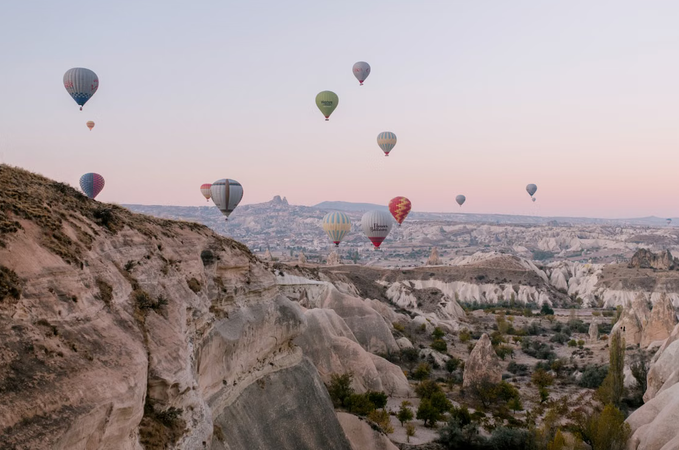
Travel destinations are traditionally associated with particular seasons when weather conditions, public holidays, or major events attract the most visitors. However, some locations increasingly receive attention outside these established periods. This shift reflects changes in how people approach travel, with many placing greater importance on flexibility, personal interests, and the overall quality of an experience. Instead of automatically choosing the busiest months, travelers may explore destinations when they offer different attractions or a more relaxed atmosphere. Remote working arrangements, flexible schedules, and changing travel expectations have also made it easier for some visitors to consider periods that were previously regarded as less desirable.
The Appeal of Fewer Crowds
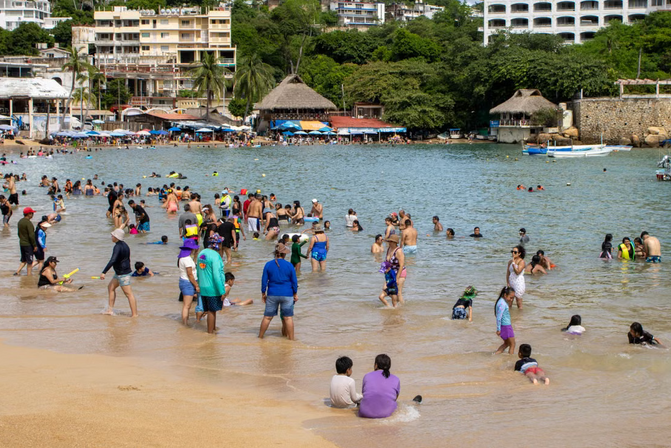
One major reason destinations attract visitors outside their peak seasons is the opportunity to experience popular attractions with fewer people around. During busy travel periods, beaches, museums, restaurants, and cultural sites can become crowded, affecting how comfortably visitors explore them. Long queues and limited accommodation availability may also influence the overall experience. Traveling during quieter months can create a different atmosphere, allowing visitors to spend more time at individual attractions and interact with local environments at a slower pace. For destinations known for their cultural heritage or natural scenery, fewer visitors can make certain experiences feel more personal and less shaped by mass tourism.
Seasonal Pricing and Accommodation Availability
Travel costs can also influence when people choose to visit particular destinations. Hotels, airlines, and tour operators often adjust prices based on demand, so accommodation and transport may be more affordable outside the busiest periods. Lower demand can also create greater flexibility when selecting room types, travel dates, or activities. For some destinations, these differences make travel possible for visitors who might otherwise find peak season expenses difficult to manage. However, lower prices are not guaranteed because local events, weather conditions, and regional demand can affect costs throughout the year. Several market factors therefore influence the relationship between seasonal pricing and visitor numbers.
Different Experiences Throughout the Year
A destination can offer noticeably different experiences depending on when it is visited. Coastal locations may become quieter during cooler months, while mountain regions may attract visitors for activities that are unavailable during warmer periods. Agricultural destinations can also develop seasonal appeal through harvest events, food festivals, and changing landscapes. Wildlife viewing opportunities may vary according to migration patterns or breeding cycles, creating reasons to visit outside conventional holiday periods. These variations show that a destination’s appeal is not necessarily limited to its most commercially promoted season. Travelers interested in particular activities may find that another time of year provides a more suitable experience.
The Influence of Local Events and Cultural Activities
Festivals, exhibitions, sporting competitions, and cultural celebrations can generate demand during periods that would otherwise be considered quieter. These events give travelers specific reasons to visit and introduce experiences that may not be available during peak holiday months. Local communities can also use smaller events to attract visitors interested in regional traditions, food, music, or historical activities. Digital travel platforms and social media have made it easier for these experiences to reach international audiences. As a result, destinations can develop additional periods of visitor interest rather than depending entirely on one major tourist season.
Travel destinations can become popular outside their peak seasons because visitors increasingly value flexibility, quieter attractions, seasonal experiences, and varied cultural activities. These factors demonstrate that a location’s appeal can extend beyond its busiest travel period.